Custom Parts Manufacturing & Precision Machining
Processing of engineering plastics, composites, PTFE-coated glass fabrics, open-mesh fabrics, rubber and silicone materials. Custom machine components, gaskets and technical parts, including 3D printing, waterjet cutting and die cutting to your requirements.
Custom engineering solutions across a range of materials
We select a suitable manufacturing process based on part geometry, material, quantity and operating conditions. Request a quotation using a technical drawing, 3D model or physical sample.
- Engineering plastic and composite machining – custom finished components made from sheets, rods and tubes.
- Technical roll material converting – PTFE-coated glass fabric, open mesh, PVC, PU and silicone conveyor belts.
- Rubber and silicone components – gaskets, rings, flexible parts and expansion joints.
- Digital fabrication and cutting processes – 3D printing, waterjet cutting and die cutting.
PTFE-Coated Glass Fabrics & Open-Mesh Belts
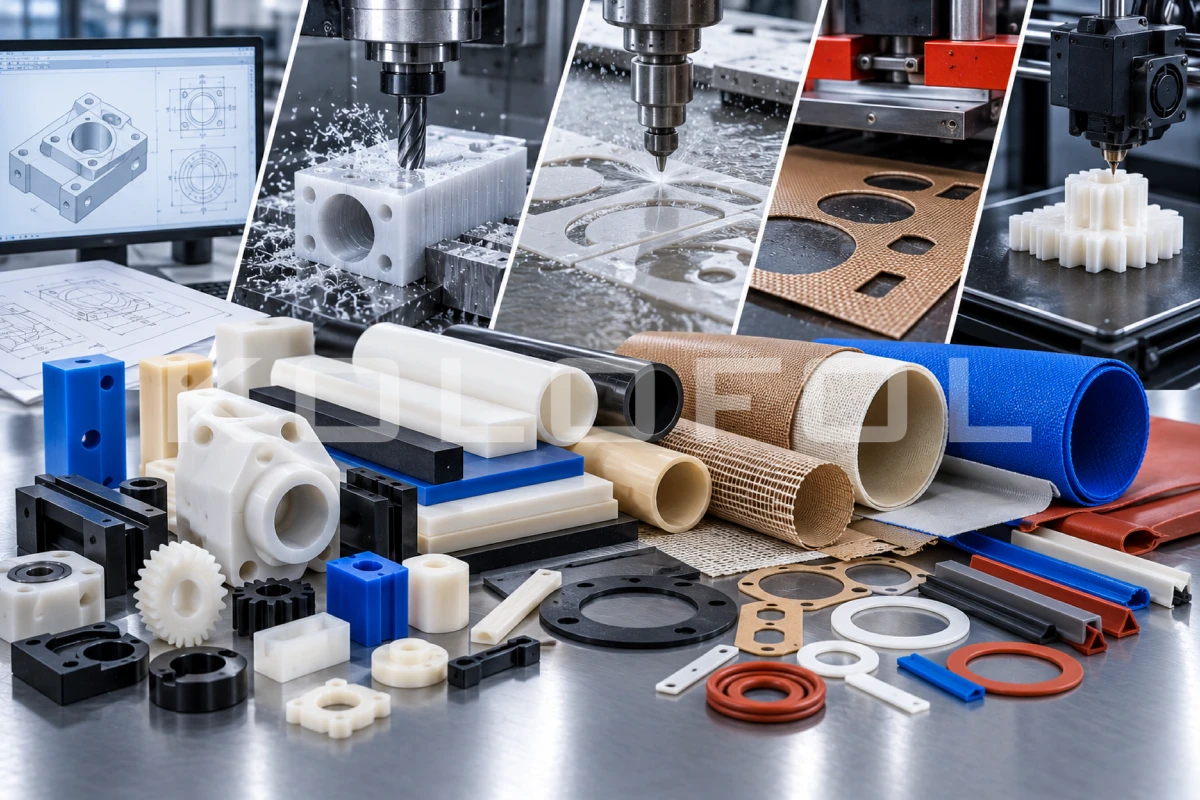
We convert PTFE-coated glass fabrics and open-mesh materials for custom industrial applications. Roll materials can be cut to size, slit and fabricated into special belts, including heat-resistant conveyor and process belts.
- cutting to size and slitting
- open-mesh and solid PTFE-coated glass fabrics
- custom belt configurations
- heat-resistant industrial applications
Composite Parts for Food-Processing Applications
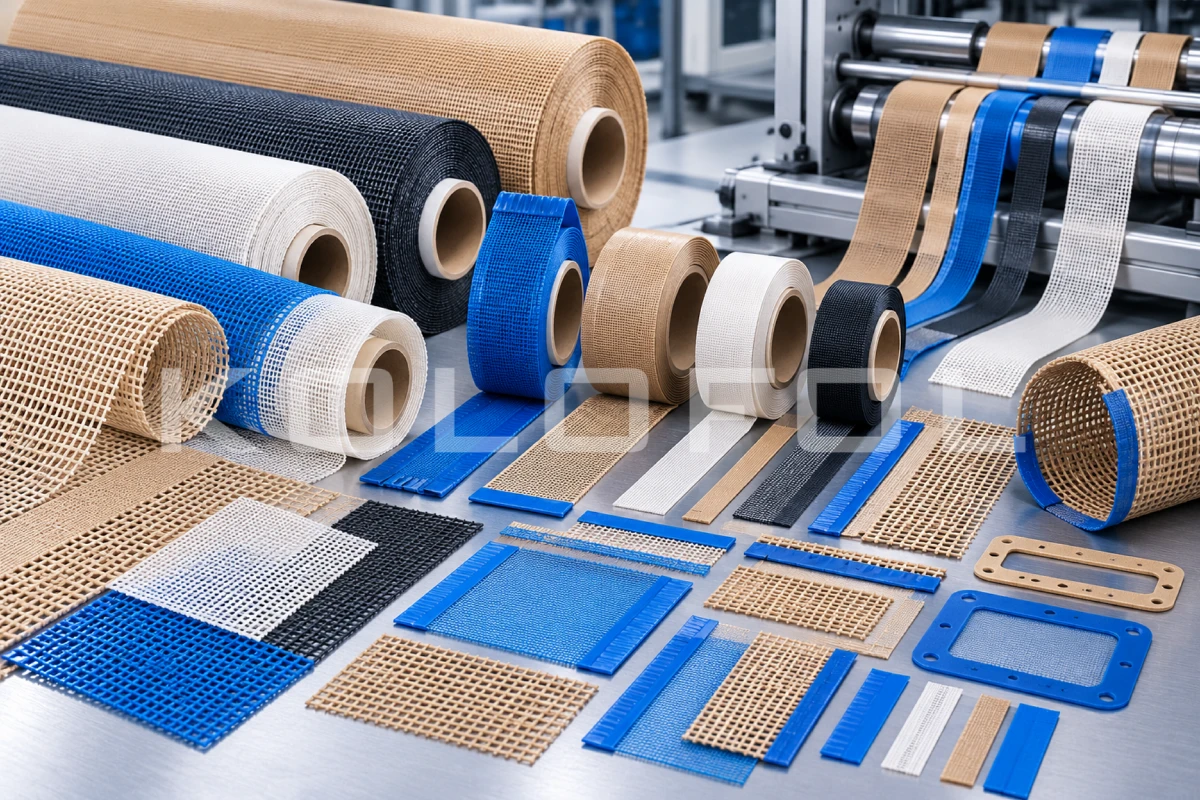
Custom-machined composite components for applications where mechanical performance, wear, temperature and hygiene requirements must all be considered when selecting a material.
- custom geometry to drawings
- machining of composite semi-finished products
- material grades suitable for food-processing applications
- Food-contact compliance must be verified for the specific raw material and its available documentation.
- small and medium production runs
Custom Engineering Plastic Components
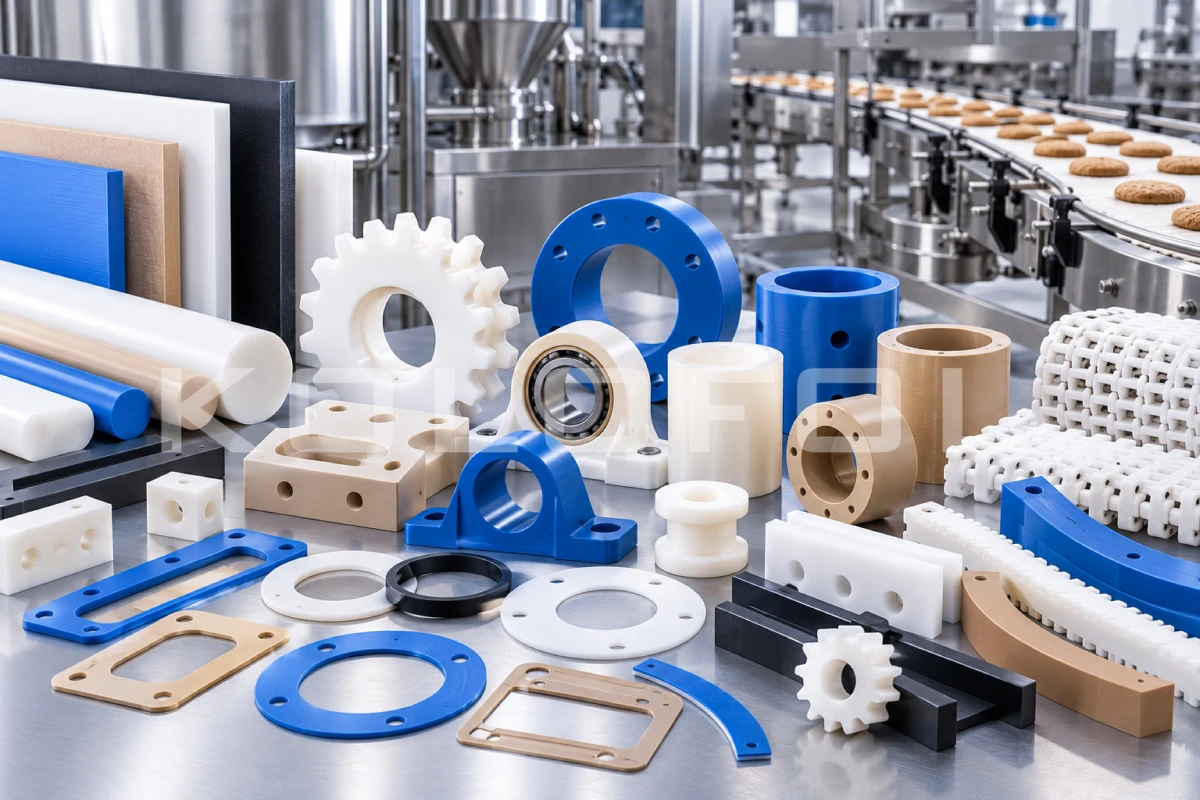
Custom parts machined from engineering plastic sheets, rods and tubes. Materials are selected according to load, friction, wear, chemical exposure, temperature and dimensional stability.
- POM, PA, PE, PET, PEEK, PVDF and other engineering plastics
- turned and milled components
- guides, spacers, bushings and machine parts
- manufacturing from drawings or samples
Machined Composite Components
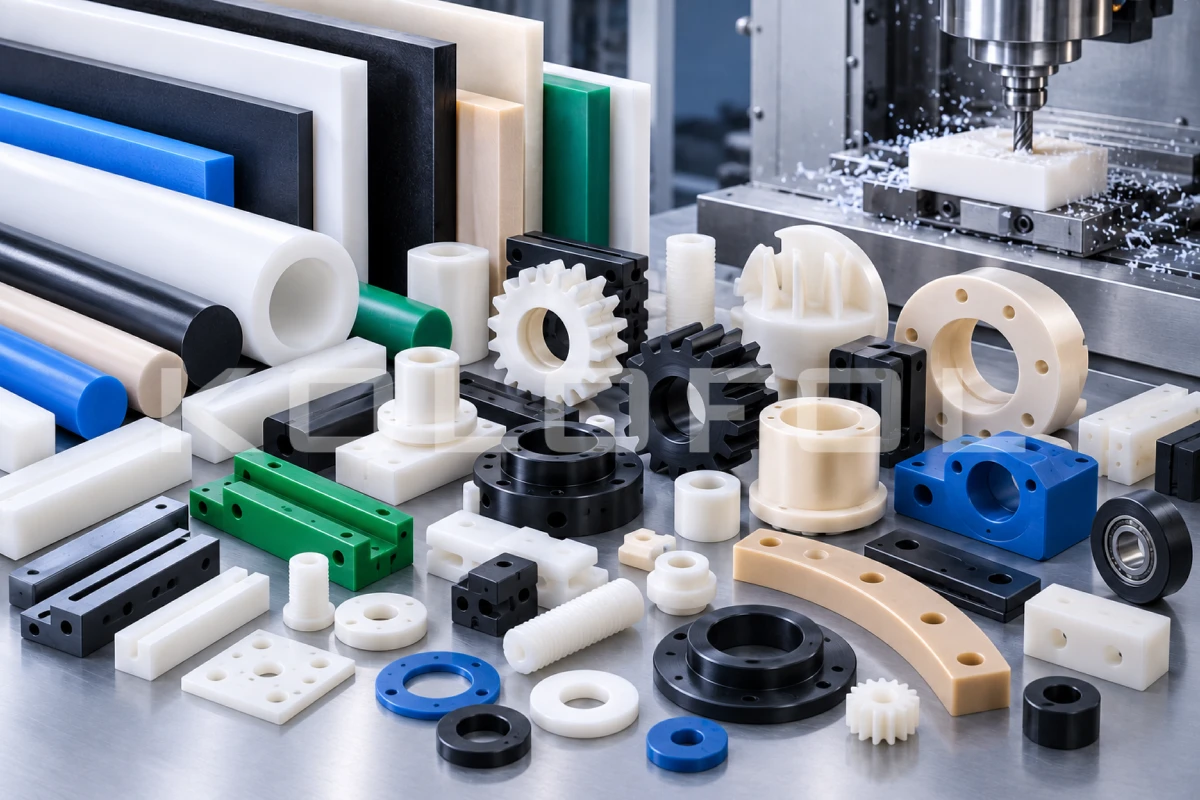
Structural and mechanical components made from composite sheets and solid semi-finished stock, where low weight, electrical insulation, wear resistance or high mechanical strength is important.
- custom-machined composite parts
- guide and support components
- structural parts
- holes, slots and contours to drawings
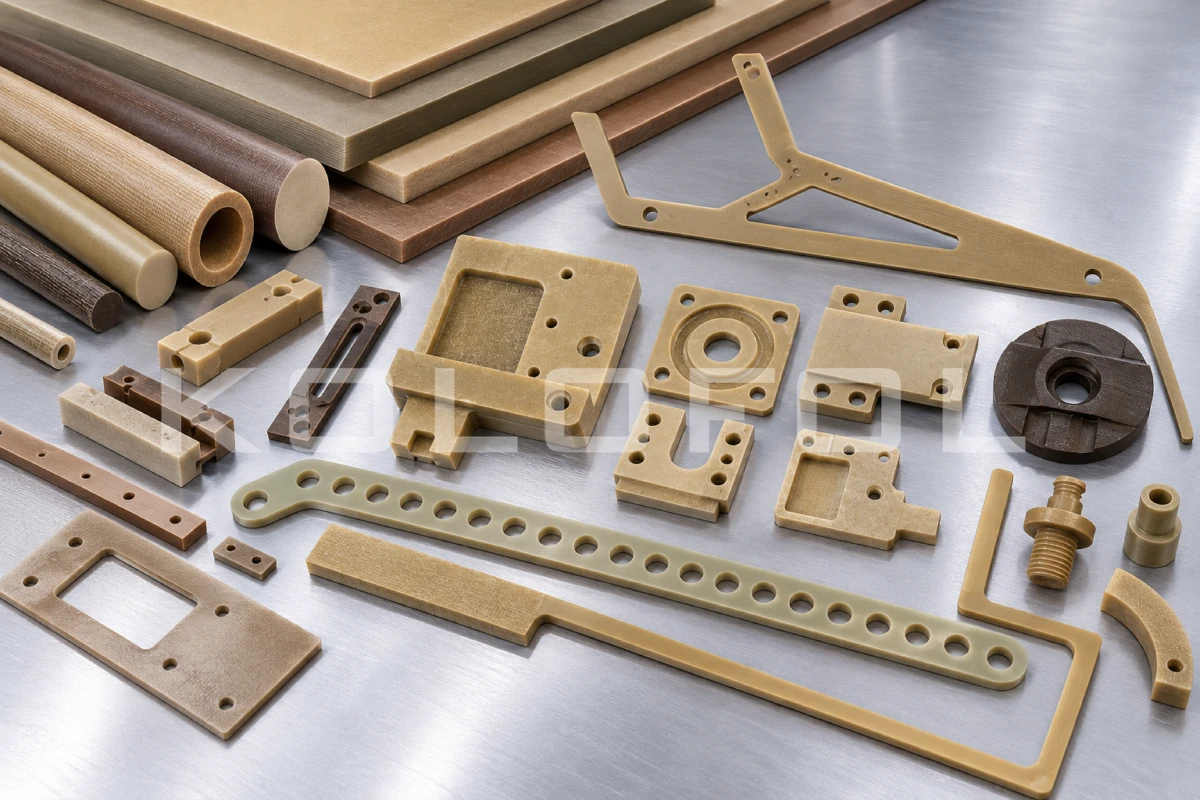
Electrical & Thermal Insulation Components
Insulating components manufactured from engineering plastics and composites for electrical, thermal and mechanical applications. Part geometry and material grade can be adapted to operating conditions.
- insulating plates and spacers
- custom holders and inserts
- thermal and electrical insulating parts
- machined finished components
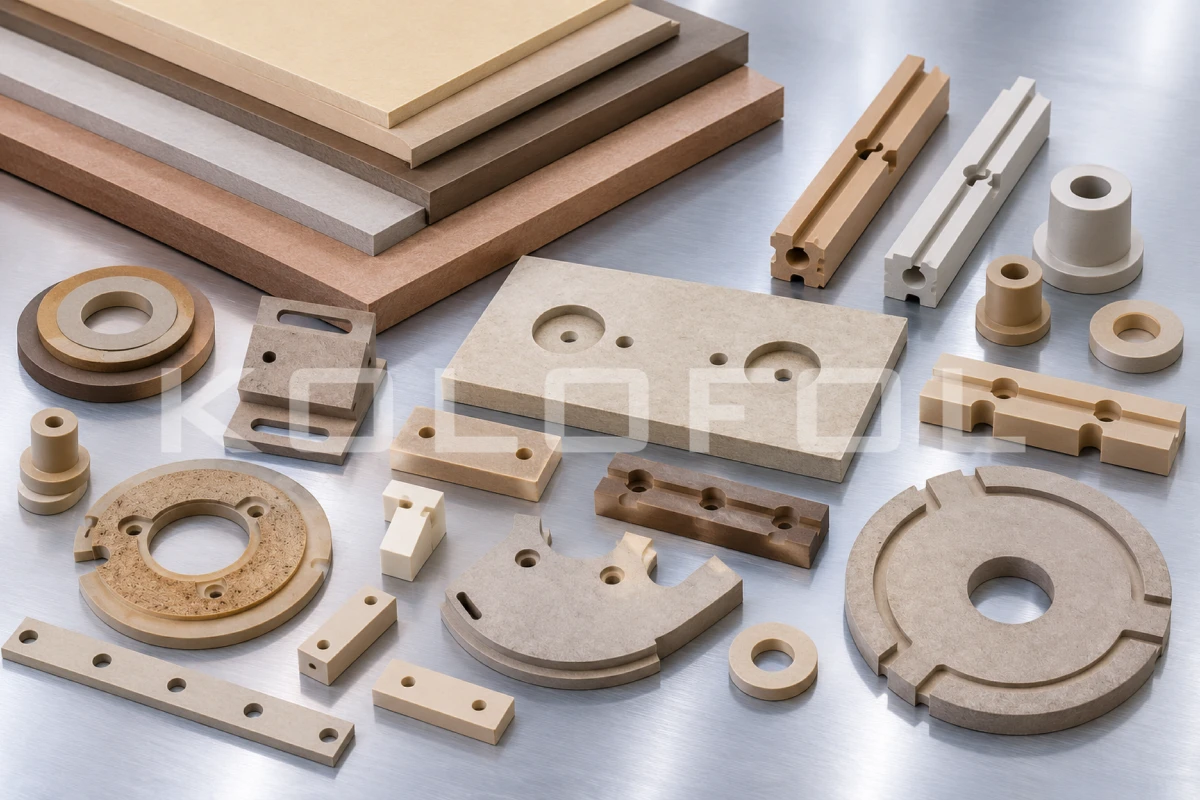
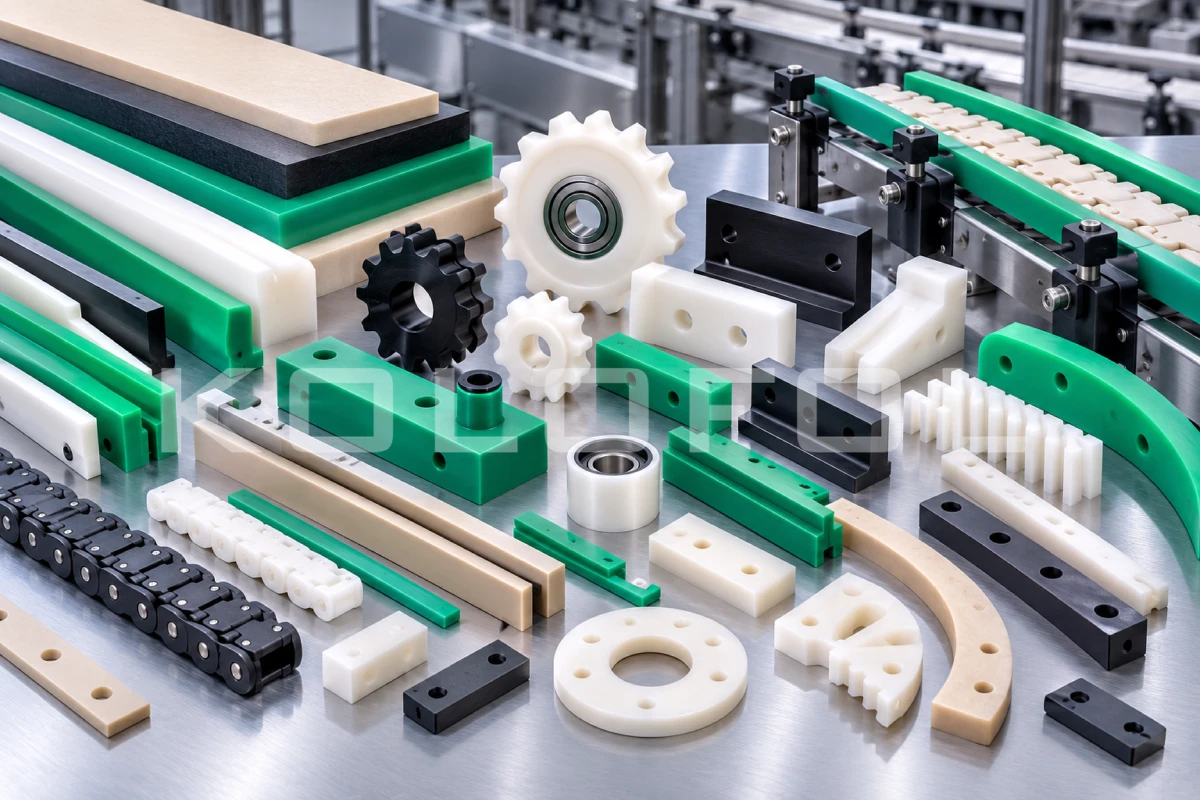
Wear-Resistant Engineering Plastic Parts
Components made from wear-resistant, low-friction engineering plastics for material-handling, packaging and production machinery.
- slide rails and guides
- chain and belt guides
- stops and wear parts
- custom profiles and machined components
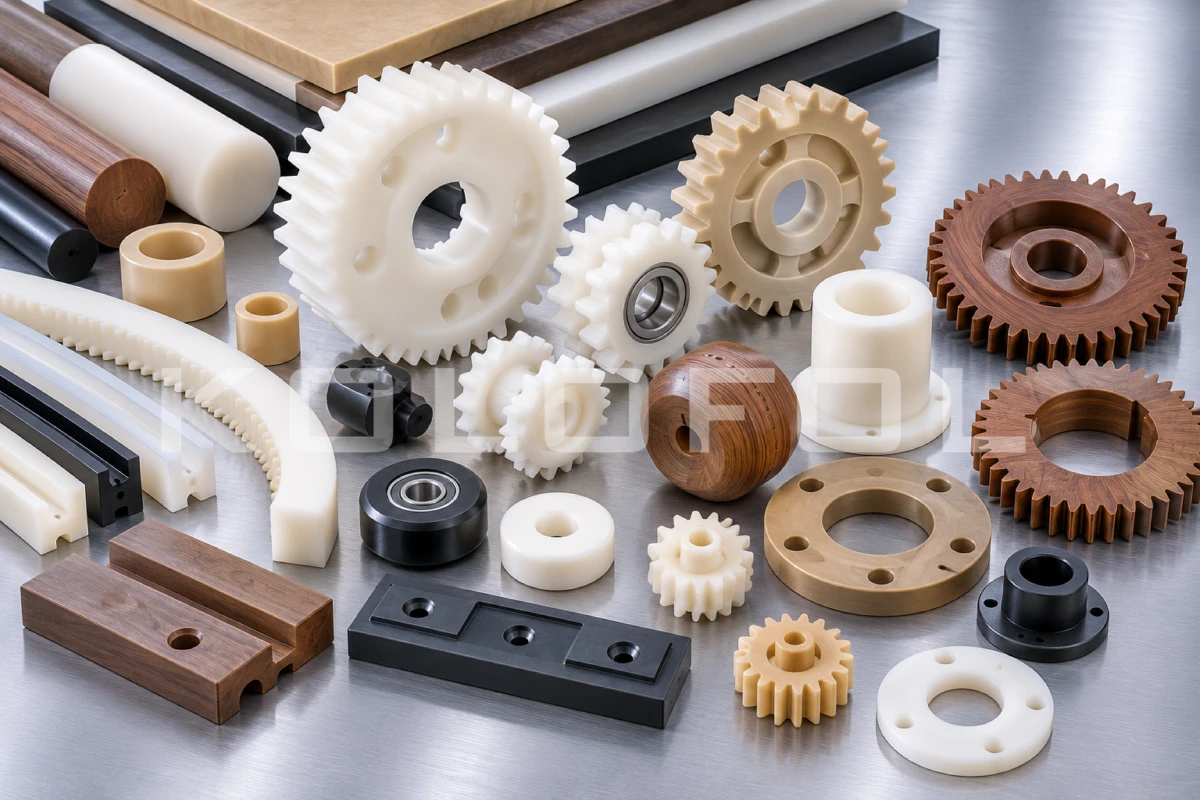
Plastic Gears, Sliding Parts & Bushings
Custom gears, rollers, sliding parts, bushings and related machine components manufactured from drawings or samples using engineering plastics suited to the application.
- gears and sprockets
- bushings and bearing-type parts
- sliding and guiding components
- custom machine parts
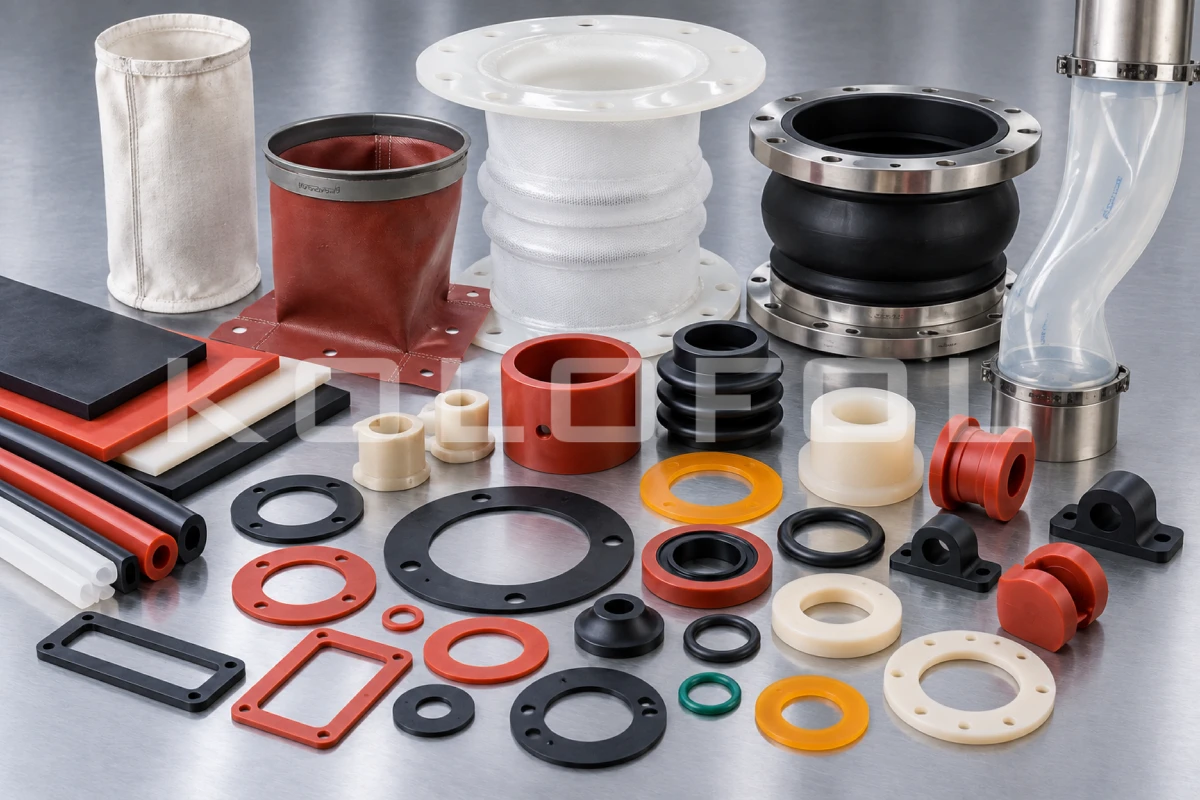
Rubber Components & Expansion Joints
Gaskets, rings, flexible connectors and expansion joints made from rubber, silicone and polyurethane. Sheet-cut and custom-shaped components are also available in small production runs.
- flat gaskets and rings
- custom-shaped rubber parts
- flexible connectors and expansion joints
- silicone and polyurethane components
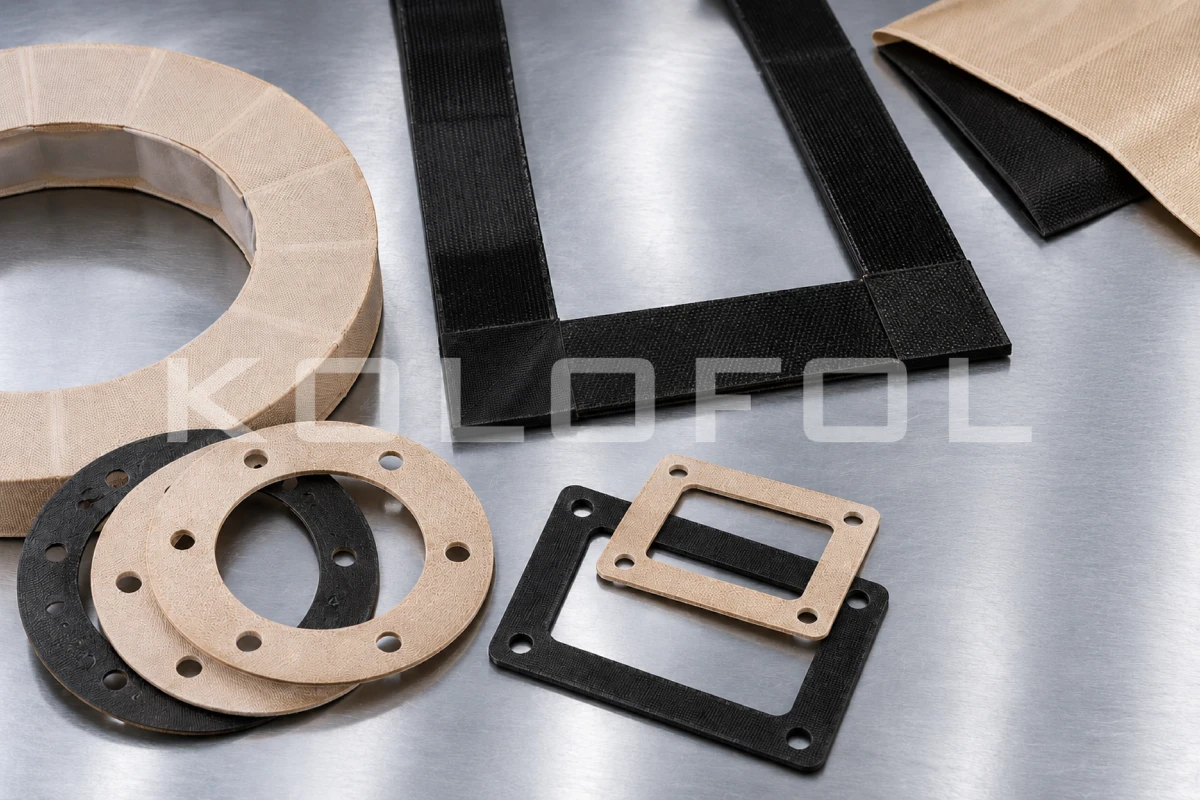
PTFE-Coated Fabric Expansion Joints
Designed for installation between two rigid duct sections. These flexible joints accommodate displacement caused by thermal expansion and system movement, while also helping to absorb vibration. Applications include industrial extraction and ventilation systems, dryers, furnaces, flue-gas ducts, chemical-process air ducts, power plants, cement and mineral processing, and fan inlets and outlets.
- custom lengths and cross-sections
- chemical-resistant and non-stick
- heat-resistant up to 260 °C
- low coefficient of friction
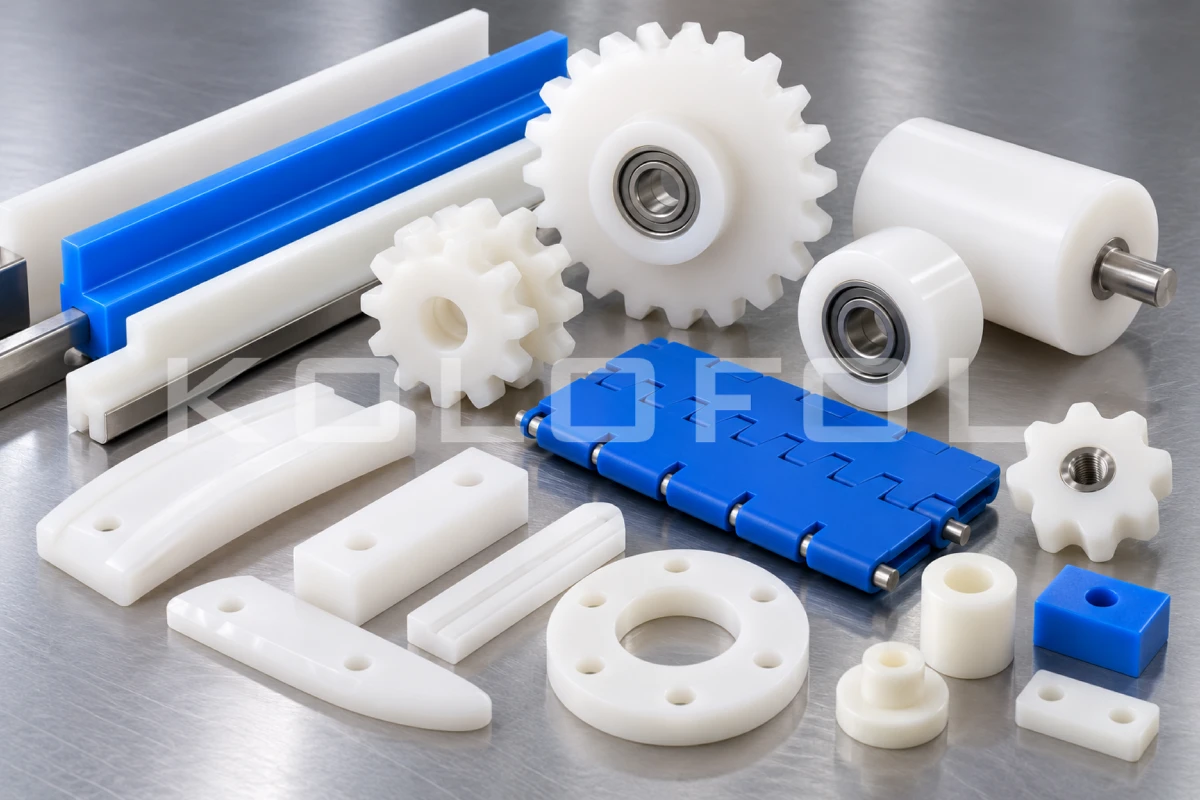
Engineering Plastic Parts for Food Processing
Engineering plastic components for food-processing and hygienic machinery. Suitability must be assessed using the specific raw material documentation and the requirements of the intended application.
- guides and sliding parts
- gears and rollers
- spacers and machine parts
- documented material grades upon request
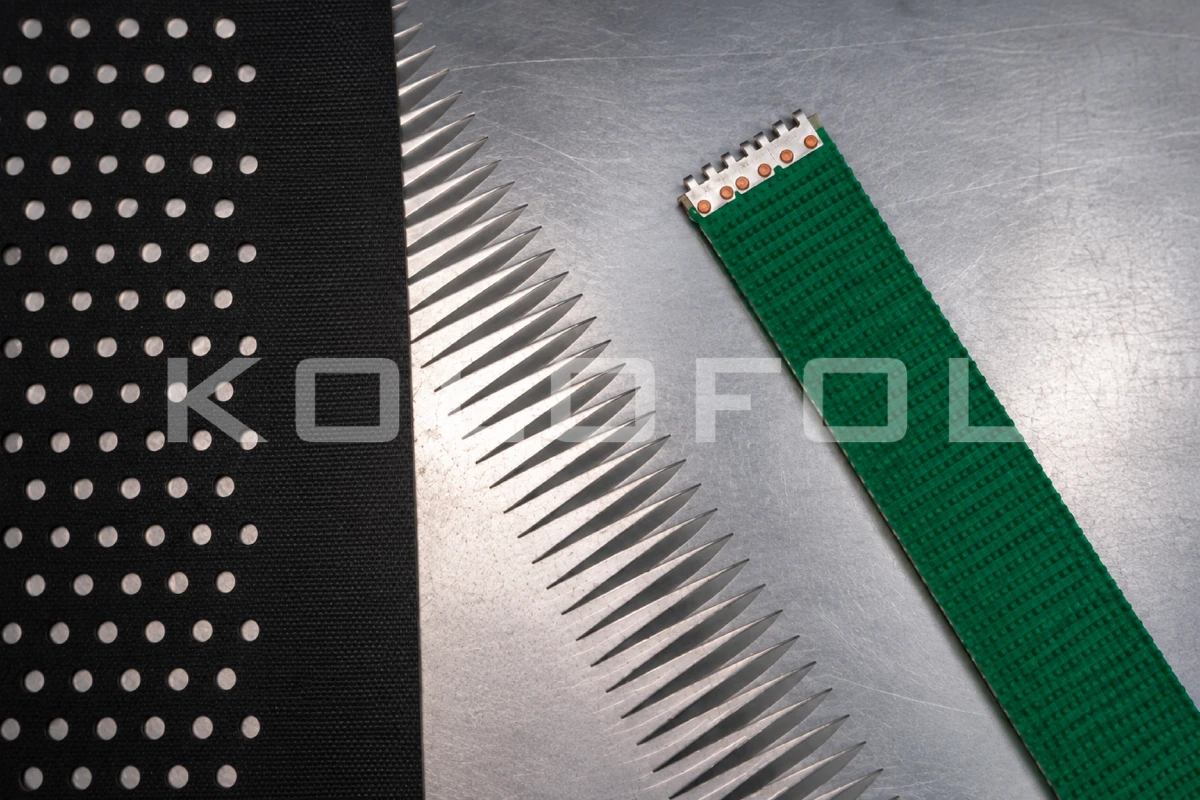
PVC, PU & Silicone Conveyor Belts
PVC, PU and silicone conveyor belts with one, two or three fabric reinforcement plies. Flat transmission belts for packaging, paper, textile and woodworking industries. Fast service, including custom single-piece requirements.
- PVC and PU conveyor belts
- silicone conveyor belts
- custom dimensions and configurations
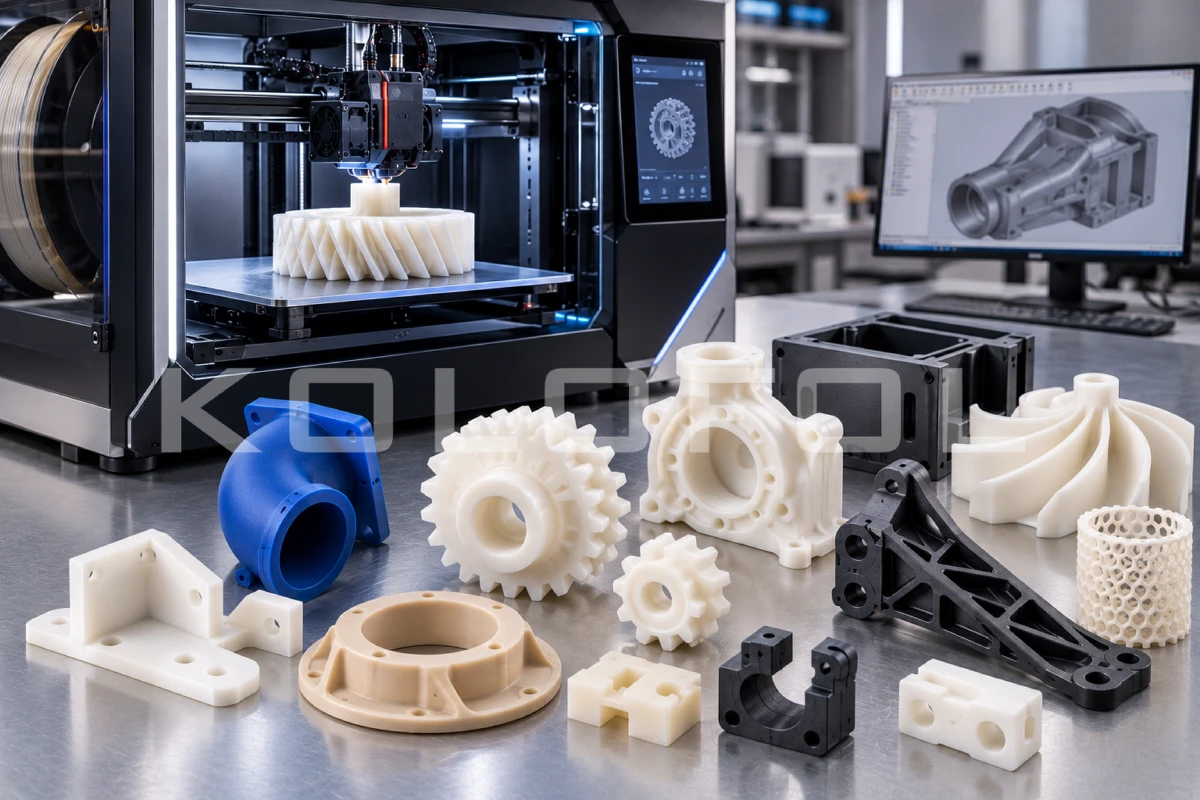
3D Printing of Technical Parts
3D printing can be used to produce prototypes, fixtures, jigs, holders and small batches of technical components. It is particularly useful for complex geometries and development projects requiring rapid design changes.
- prototypes and sample parts
- custom holders, jigs and fixtures
- complex geometries
- small-batch components
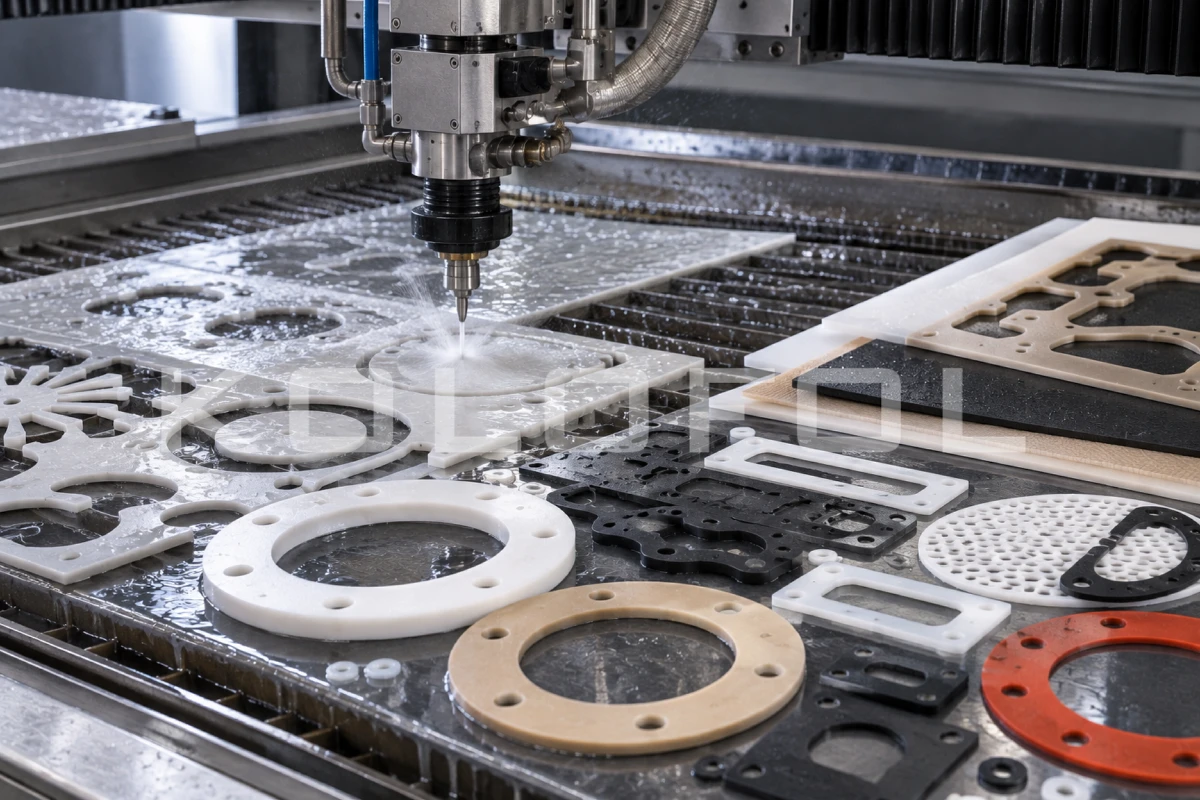
Waterjet Cutting
Waterjet cutting produces complex contours and custom parts from sheet materials. Because it introduces no significant heat into the cutting zone, it is suitable for processing many technical materials.
- custom contours from CAD files or drawings
- gaskets and flat components
- small and medium production runs
- cutting with minimal thermal impact
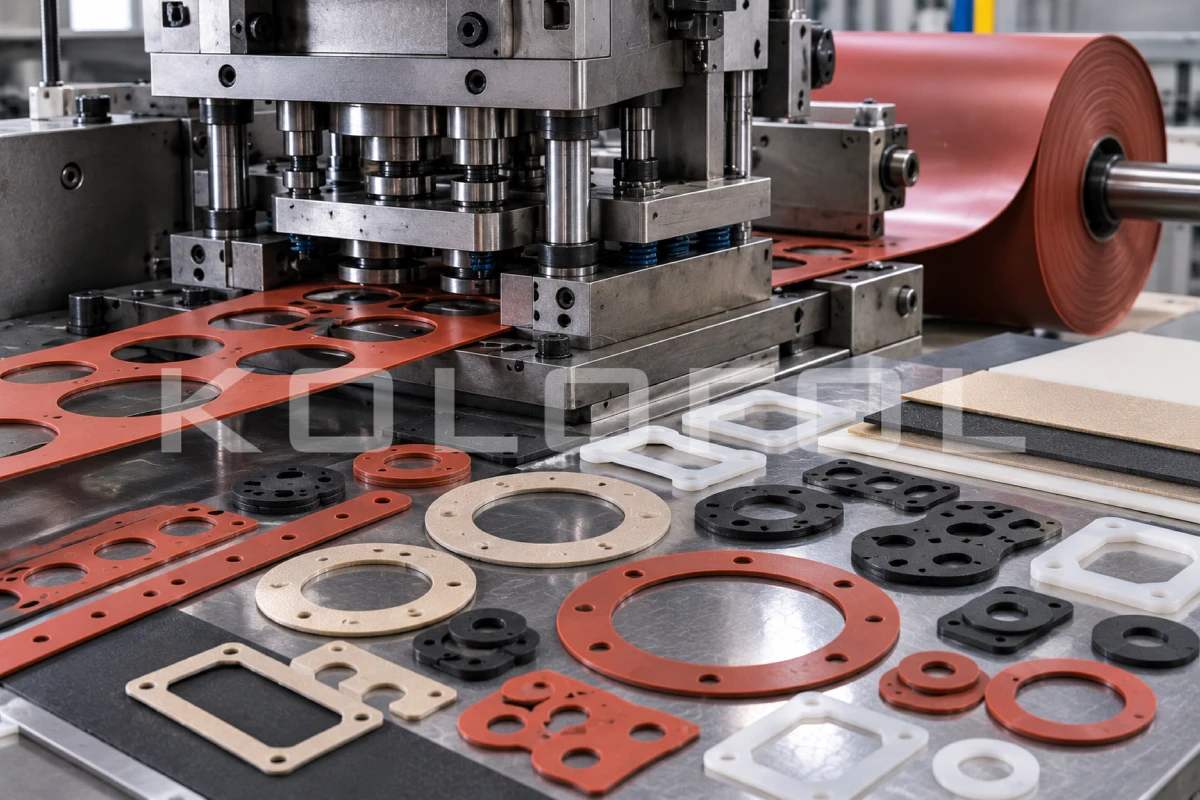
Die Cutting
Die cutting enables fast, repeatable production of gaskets, washers, strips and other flat components from sheets and roll materials. It can be cost-effective for production runs.
- gaskets and washers
- rubber, silicone and plastic sheets
- technical roll materials
- repeatable series production
Industrial Applications
Custom components and converted technical materials are used in machinery and manufacturing processes across many industries.
- Food processing – Belts, guides, machine components and plastic parts with appropriate material documentation.
- Packaging – Sealing, conveying, guiding and mechanical components for film, paper and cardboard packaging.
- Textiles and apparel – Belts, guides and mechanical parts for processing equipment.
- Paper industry – Conveyor and process belts, wear parts and guides from production through packaging.
- Woodworking – Belts and mechanical components for handling and processing profiles and panels.
- Petrochemicals – Gaskets, rings, filter media, meshes and flexible connectors.
- Photovoltaics and glass – Belts and machine components for screen printing, welding and lamination processes.
Custom Manufacturing
What information is needed for a quotation?
Preferably a technical drawing or 3D model, dimensions, quantity, material grade (if known) and operating conditions.
Can you manufacture from a physical sample?
Yes. For many components, a sample can be used to start the discussion, although a technical drawing may be needed for accurate production.
Can I order small quantities?
Depending on the process and component, prototypes, small batches and series production may be possible.
Which materials can be used for custom components?
Depending on the application, options include POM, PA, PE, PET, PEEK, PVDF, composites, PTFE-coated glass fabric, rubber and silicone. Materials are selected according to operating conditions and part requirements.
Which manufacturing processes are available?
Depending on the material and component design, processes may include turning, milling, cutting to size, slitting, 3D printing, waterjet cutting and die cutting.
Get a Quote for Custom Components
Send us your drawing, 3D model or available technical specifications. We can help you select an appropriate material and manufacturing process.